Poker Vocabulary That Encourages Better Table Awareness
29 July 2026 | 334
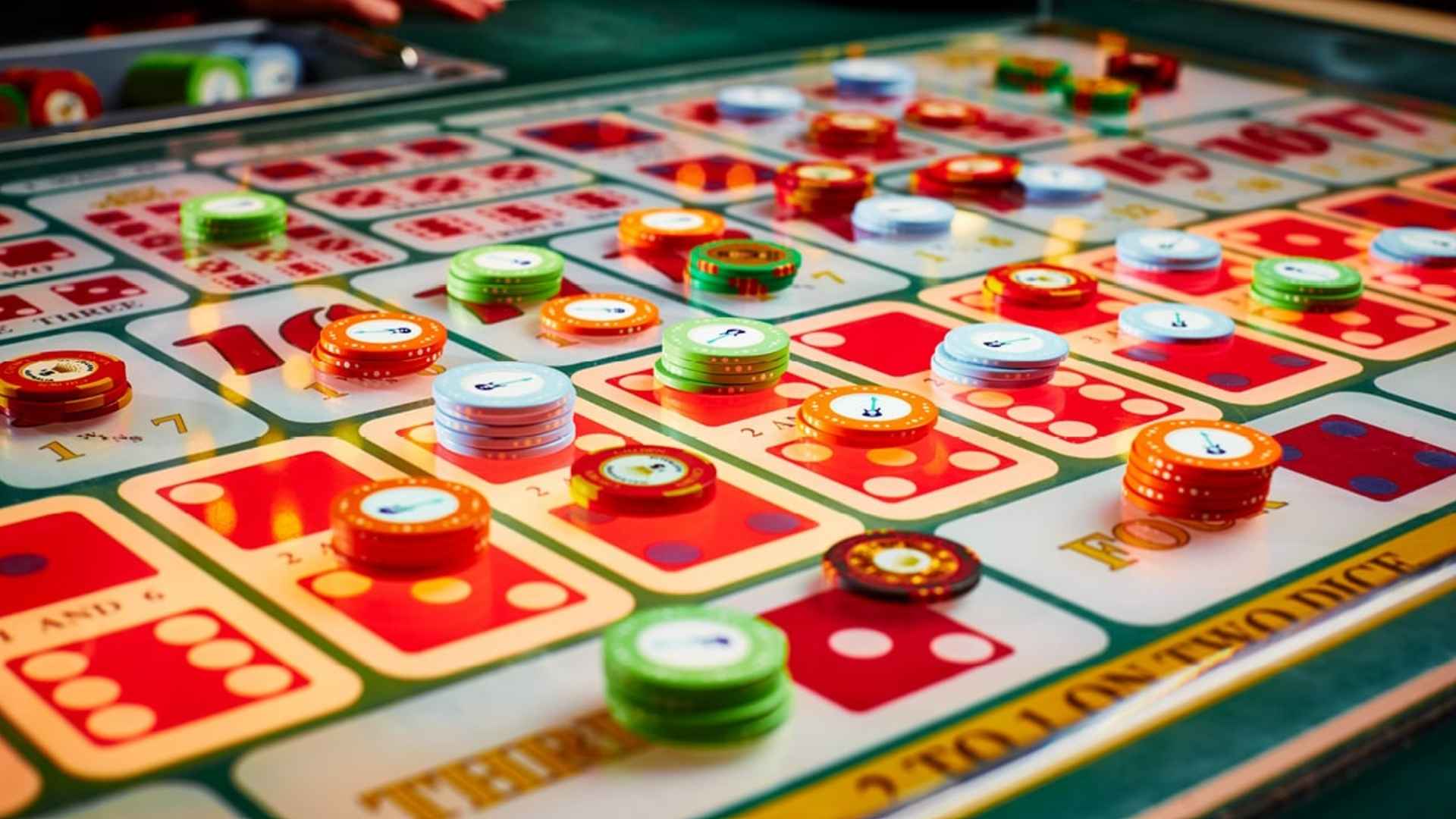
Stepping up your poker game requires much more than simply memorizing the strength of your starting cards. True proficiency comes from developing a deep understanding of table dynamics and processing subtle shifts in live game environments. Mastering specific linguistic concepts can significantly enhance your ability to monitor opponents and make precise adjustments during a high-stakes session.
The Power of Positional Language
Understanding terms like the button, cutoff, and under the gun helps players evaluate who holds the strategic advantage in a specific round. These terms describe more than physical locations because they indicate how much information you will have before making a final decision. Recognizing these distinct roles allows you to assess the risk levels of every action taken around the felt.
When you use precise terms to describe seating arrangements, your mind naturally focuses on how players behave depending on their turn. A competitor acting from early position must play much stronger cards than someone sitting comfortably in late position. Categorizing these strategic tendencies helps you build a detailed mental map of potential ranges during live action.
Decoding Betting Patterns and Actions
Fluency in phrases such as three-bet, flat call, and check-raise enables individuals to interpret the exact story an opponent is trying to tell. Each calculated action provides a specific clue regarding the underlying strength or vulnerability of a particular holding. Tracking these sequences carefully prevents you from missing sudden changes in the overall flow of the game.
For example, a sudden check-raise often signals a massive trap or a highly coordinated drawing hand designed to maximize value. By defining these actions accurately in your mind, you can remain calm and evaluate the mathematical odds before deciding to fold or continue. Developing this cognitive clarity ensures you never feel overwhelmed by aggressive tactics used at the table.
Recognizing Subtle Environmental Tells
Terms like table image, tanking, and angle shooting focus a player's attention directly on the psychological aspects of competitive card rooms. Monitoring how long an opponent deliberates before committing chips reveals their underlying comfort levels under intense pressure. Staying aware of these behavioral cues helps you differentiate between genuine confidence and elaborate bluffs.
If you wish to test your strategic observation skills in modern gaming environments, finding a secure platform through a reliable M88 link can provide excellent practical experience. Applying proper terminology to real-world scenarios trains your brain to spot regular patterns much faster. Consistently evaluating the habits of your opponents ultimately transforms how you manage your own table presence.
Mastering Strategic Risk Assessments
Concepts such as pot equity, implied odds, and stack-to-pot ratios encourage players to maintain a highly analytical viewpoint during complex hands. These mathematical expressions prevent emotional choices by anchoring your decisions to clear probabilistic outcomes. Cultivating this disciplined vocabulary allows you to protect your bankroll while maximizing value against less disciplined competitors.
Ultimately, shifting your focus toward precise poker terminology trains your mind to notice details that casual participants routinely ignore. Every shared phrase carries deep contextual meaning that can alter the trajectory of an entire tournament session. Committing to learning this specialized language prepares you to command the table with absolute confidence.