Variable Bonuses And The Future Of Dynamic Gaming Incentives
26 August 2026 | 228
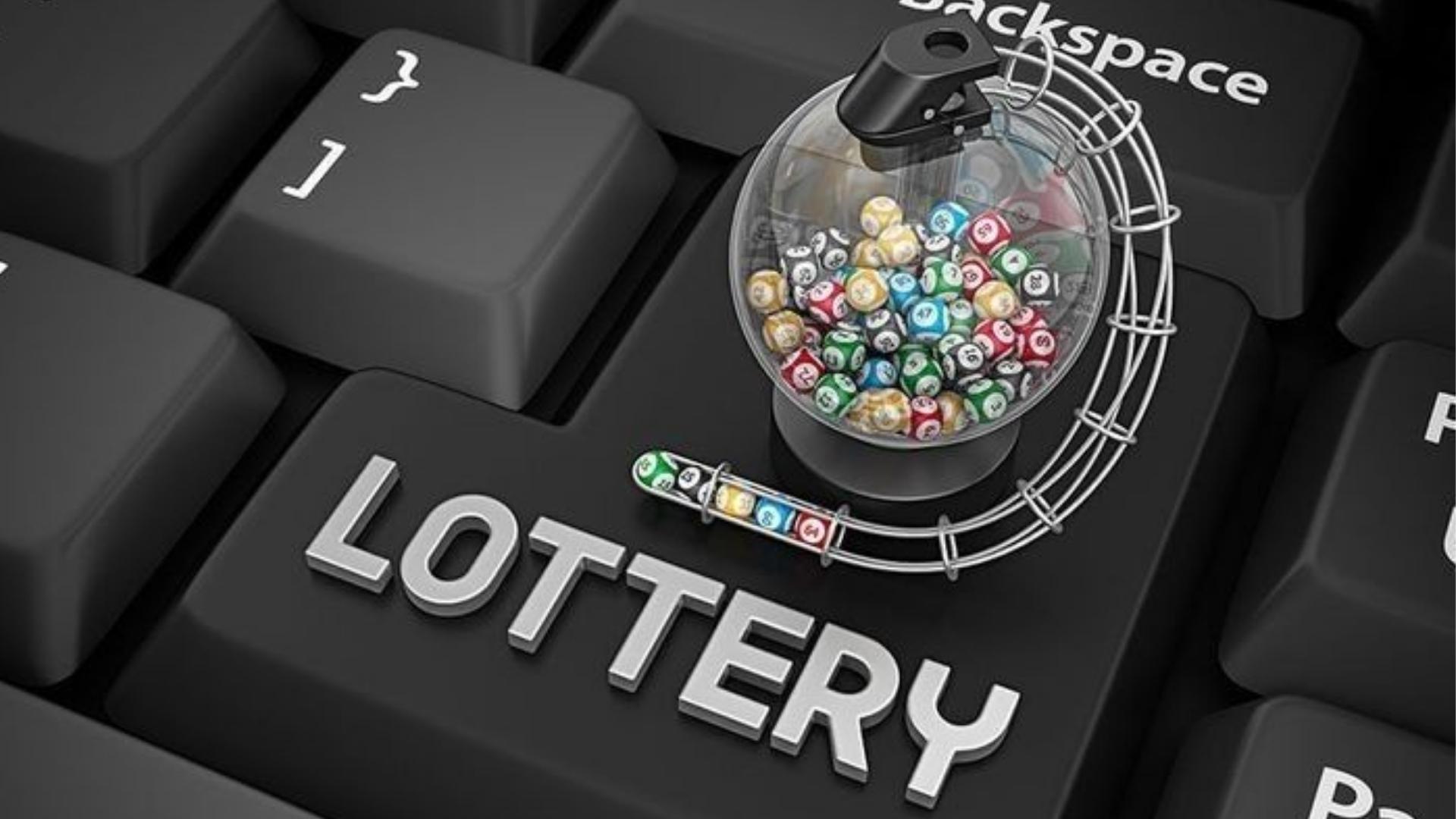
Modern gaming architecture is moving rapidly toward dynamic reward systems that adapt to individual player behavior. Instead of offering rigid, predictable rewards, modern platforms utilize variable bonus models to sustain long-term engagement. This evolution marks a significant shift in how developers design player progression and maintain active communities over time.
The Evolution of Dynamic Reward Models
Traditional games relied heavily on fixed reward schedules where players knew precisely what payout to expect after completing a specific challenge. While this model established clear expectations, it often resulted in routine fatigue once the novelty wore off. Dynamic incentives break this predictability by varying the timing, value, and nature of in-game bonuses.
By introducing fluid reward algorithms, studios ensure that every session feels distinct and engaging. Players who access modern interactive platforms, such as completing an m88 msports login, often experience tailored features designed to match current activity trends. This personalized approach keeps player interest high while building a more responsive ecosystem.
Psychological Foundations of Variable Incentives
At the heart of dynamic bonus structures is the psychological concept of variable reinforcement schedules. When an outcome is uncertain yet holds potential value, human focus and curiosity increase dramatically during gameplay. This element of surprise transforms mundane grinding loops into compelling experiences filled with anticipation.
Furthermore, dynamic rewards prevent players from feeling stuck during long progression tracks. By adjusting bonus frequencies based on performance metrics, games can offer timely encouragement when difficulty spikes occur. This balance helps maintain intrinsic motivation without making achievements feel unearned.
Algorithmic Adaptability in Next-Generation Gaming
Advanced data analytics and machine learning now allow developers to fine-tune bonus distributions in real time. Systems can evaluate play styles, session lengths, and skill levels to deliver appropriate incentives dynamically. This technological shift ensures that casual users and hard-core enthusiasts receive balanced value tailored to their effort.
Rather than relying on static drop rates, future platforms will likely leverage real-time feedback loops to optimize player retention. As a result, reward mechanics will become more fluid, seamlessly integrating into narrative arcs and live-service events. This high level of customization represents the future of interactive entertainment design.
Ensuring Transparency and Sustainability
As dynamic incentives become more complex, maintaining player trust remains a critical priority for industry leaders. Transparent algorithms and clear rule sets are essential to prevent participants from feeling exploited by unpredictable systems. Balancing randomness with guaranteed progression baselines helps preserve long-term loyalty and equity.
Ultimately, the future of gaming incentives lies in harmonious integration rather than aggressive monetization. By blending psychological insights with sophisticated technology, developers can create dynamic bonus systems that enhance enjoyment. Sustainable reward design will continue to define the next generation of digital experiences.